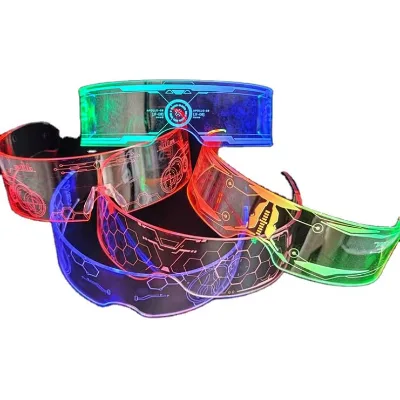
Source led glasses for Halloween, Christmas, and Birthday Parties
Explore 30 listings of led glasses suitable for various festivals and parties. Buyers can compare specifications like battery life, material, and dimensions to find the right options for children and adults; compare the available evidence and request quotations based on your requirements.
Key considerations
Products List


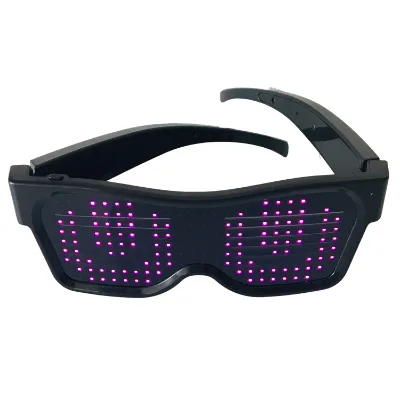
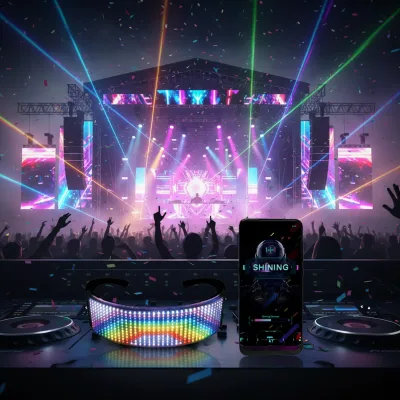
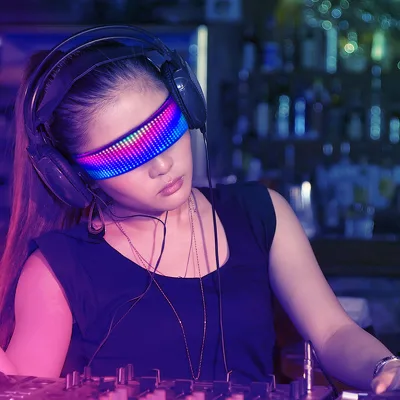
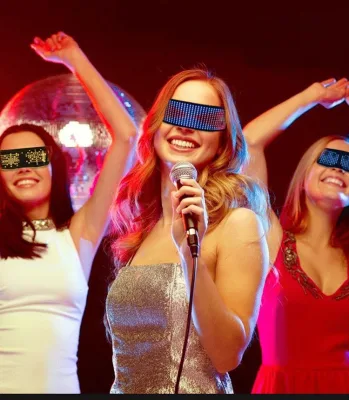


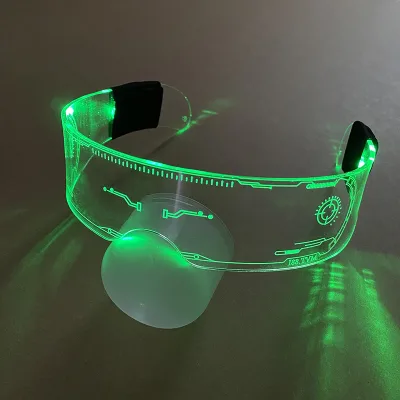

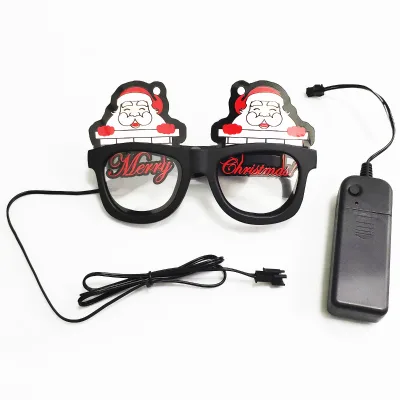

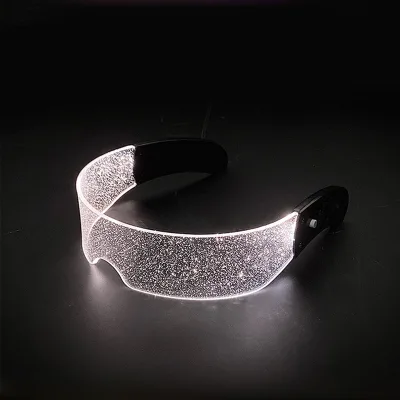
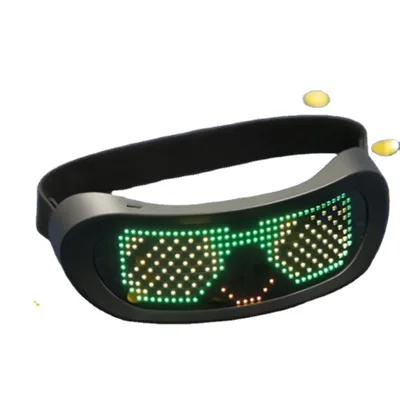



Comprehensive Sourcing Guide
LED Glasses Sourcing Guide
Sourcing LED glasses requires a clear understanding of the diverse product landscape, which ranges from simple decorative items to complex programmable devices. Buyers must distinguish between static fashion accessories and dynamic electronic wearables, as the procurement strategies for each differ significantly. The market offers products tailored for specific occasions, including holidays, parties, and festivals, necessitating precise alignment between product features and target audience expectations.
Procurement teams should prioritize suppliers who demonstrate transparency in their technical specifications and customization capabilities. Since many listings indicate available customization, buyers need to establish clear communication channels early to define design parameters, packaging requirements, and branding options. Understanding the distinction between basic plastic frames and advanced ABS models with app connectivity is crucial for selecting the right supplier partnership.
Product Scope and Observed Listing Signals
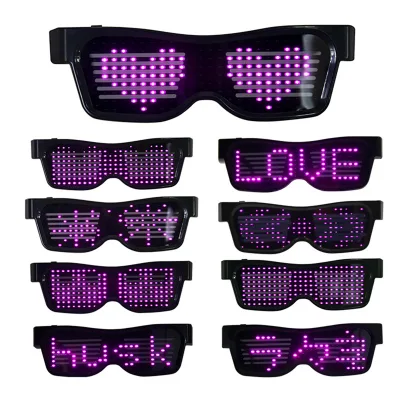
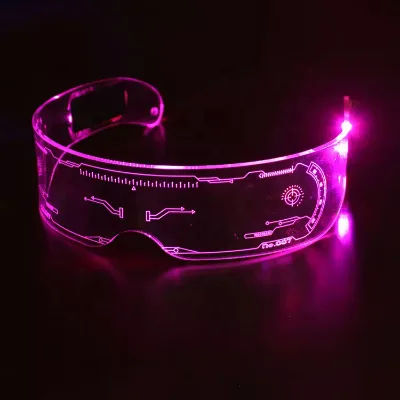
The observed product range includes various types of eyewear, such as masks, fashion glasses, and 3D glasses, often categorized by style like Western or general fashion. Listings frequently highlight attributes such as color, scale, and suitable face types, with many products designed for children or adults. The presence of specific models like BT-Y-1129-08 and BT-Y-1115-07 suggests a wide variety of SKUs, requiring buyers to carefully map each model to its intended use case, whether for Halloween, Christmas, or general carnival events.
Price points observed in the market range from low-cost decorative items to higher-priced electronic devices, reflecting the complexity of the technology involved. Some products are simple plastic decorations, while others feature LED luminous characteristics, app control, and rechargeable batteries. Buyers should note that packing weights and box quantities vary significantly, with some items weighing as little as 50g and others reaching 10kg per export carton, impacting logistics and inventory planning.
Technical Specifications to Verify
Technical verification must begin with the power source and battery specifications, particularly for LED-enabled models. Buyers should confirm battery type, capacity, and charging time, as seen in models using 501235-180mAh batteries with one-hour charging cycles. It is essential to verify the material composition, such as ABS plastic, which offers durability and safety for wearable items. Understanding the electrical requirements ensures that the products meet the functional expectations of end-users and reduces the risk of premature failure.
Dimensional accuracy and packaging details are equally critical for logistics and retail presentation. Specifications such as 15x15x6cm or 186x75x48mm must be cross-referenced with actual product samples to ensure consistency. Buyers should also verify the exit packing box dimensions and weight, as these directly affect shipping costs and warehouse storage efficiency. Confirming the single package size helps in designing retail displays and ensuring that the product fits within standard e-commerce shipping constraints.
Compliance and Safety Documentation
Safety compliance is paramount for eyewear products, especially those intended for children or worn during physical activities. Buyers must request documentation verifying that materials are non-toxic and meet relevant safety standards for plastics and electronics. While specific certification statuses may vary, it is crucial to ensure that all components, including batteries and LEDs, comply with international safety regulations. This includes verifying that the products do not pose any risk of eye injury or electrical hazard during normal use.
Electrical safety documentation should include test reports for battery performance and charging circuits. Buyers should ask for evidence that the charging mechanisms are protected against overcharging and short circuits. Additionally, labeling requirements must be checked to ensure that all necessary warnings, usage instructions, and manufacturer information are present on the product and packaging. This helps in avoiding customs delays and ensures that the products can be legally sold in target markets.
Cost Drivers and Commercial Terms
Cost structures for LED glasses are influenced by the complexity of the electronic components, customization levels, and order volume. Simple plastic masks or static glasses will have lower unit costs compared to app-controlled LED models with rechargeable batteries. Buyers should analyze the price range of 0.4 to 21.8 USD to understand the value proposition of different product tiers. Understanding these cost drivers helps in negotiating better terms and selecting products that align with the target market's price sensitivity.
Minimum order quantities (MOQs) typically range from 1 to 1000 units, offering flexibility for both small and large buyers. However, higher customization requests may increase MOQs and lead times. Buyers should clarify payment terms, shipping methods, and return policies with suppliers. Establishing clear commercial terms early in the sourcing process helps in managing cash flow and mitigating risks associated with supply chain disruptions or quality issues.
Supplier Qualification and Quality Control
Supplier qualification should focus on their manufacturing capabilities, quality control processes, and track record. Buyers should verify the supplier's location, such as Guangdong, China, and assess their ability to handle large volumes while maintaining quality consistency. Requesting samples is a critical step to evaluate the build quality, LED brightness, and battery performance. This hands-on inspection helps in identifying potential defects before committing to a larger order.
Quality control measures should include pre-shipment inspections and random sampling from production batches. Buyers should establish clear acceptance criteria for visual defects, functional failures, and packaging integrity. Working with suppliers who offer robust quality assurance programs reduces the risk of receiving substandard products. Additionally, maintaining open communication with the supplier allows for quick resolution of any issues that arise during the production or delivery process.
Long-Term Procurement Checks
Long-term procurement success depends on continuous monitoring of supplier performance and product quality. Buyers should regularly review feedback from end-users to identify any recurring issues or areas for improvement. This feedback loop can inform future design changes and help in selecting more reliable suppliers. Maintaining a diverse supplier base can also mitigate risks associated with single-source dependencies and supply chain disruptions.
Staying updated on market trends and technological advancements in LED eyewear is essential for maintaining a competitive edge. Buyers should explore new features, such as improved battery life, enhanced app functionality, and innovative designs. Regularly auditing supplier compliance and quality standards ensures that the products remain safe and appealing to consumers. By proactively managing these aspects, buyers can build a sustainable and profitable sourcing strategy for LED glasses.
FAQs
What materials are used for led glasses?
The led glasses are primarily constructed from durable ABS plastic. This material choice ensures the frames are lightweight yet sturdy enough for repeated use during parties and events. The plastic construction also allows for the integration of electronic components like LEDs and batteries without adding excessive weight to the wearer.
Can these led glasses be customized for events?
Yes, customization is available for these led glasses. Buyers can request specific modifications to suit their event themes or branding needs. This flexibility makes them suitable for various occasions, including weddings, birthdays, and holiday parties, allowing for personalized designs that align with specific customer requirements.
What is the battery specification for the led glasses?
The led glasses utilize a 501235-180mAh battery for power. This battery type supports the LED luminous function, providing reliable illumination during use. The charging time is approximately one hour, ensuring quick turnaround between events. This specification balances power consumption with the need for sustained light output during parties.
What are the dimensions of the led glasses packaging?
The single package size for the led glasses is 21x10x7 cm. For bulk shipping, the exit packing box measures 92x82x74 cm and contains 200 pieces. This standardized packaging facilitates efficient logistics and storage, ensuring the products are protected during transit while maximizing the number of units per shipment.
Are these led glasses suitable for children?
Yes, these led glasses are suitable for children. They are designed with a medium scale and a full frame type that fits all face shapes comfortably. The playful and funny play method makes them an engaging accessory for kids during festivals, carnivals, and other celebratory events where visual appeal is important.
What is the origin of these led glasses?
These led glasses originate from Guangdong, China. The manufacturing location is known for its robust electronics and plastic goods industry. This origin ensures access to established supply chains and production capabilities, supporting consistent quality and timely delivery for international buyers sourcing these festive accessories.